
Disclaimer: Info Tech. This site provides computers and technology news for informational purposes only.
Service-based companies operate in dynamic, fast-paced environments. From managing client expectations to ensuring staff efficiency and meeting regulatory requirements, there are countless moving parts to juggle daily. Technology provides the tools to streamline operations, improve communication, and make better, data-driven decisions. Implementing the right tech solutions can mean the difference between constant firefighting and smooth, predictable workflows.
This article explores actionable strategies for improving efficiency across service-based industries, offering practical tips for businesses of all sizes and specialties.
Streamline Team Communication with Collaboration Tools
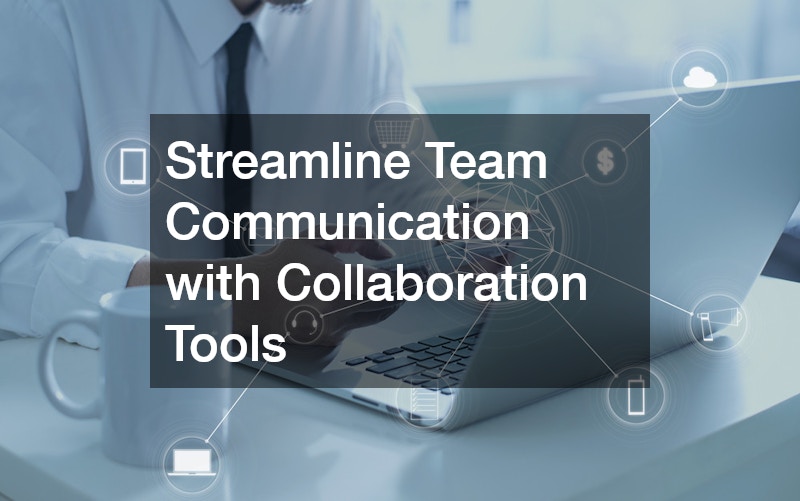
One of the most common challenges in service-based companies is communication. Team members often work across multiple projects, locations, or schedules, making it difficult to stay on the same page. Miscommunication can lead to missed deadlines, duplicated work, and frustrated clients. Modern collaboration tools can bridge this gap, offering a central hub for communication, project tracking, and task management. These tools not only keep employees aligned but also make it easier for managers to oversee progress without micromanaging.
Key strategies:
-
Adopt project management software: Platforms like Asana, Trello, or Monday.com allow teams to assign tasks, set deadlines, and track progress in real time. Features such as task dependencies, progress dashboards, and automated notifications ensure no step is overlooked. Teams can also attach documents, leave comments, and log updates directly within the project, reducing the need for separate emails or meetings.
-
Integrate HR management tools: Human resource management service software can manage employee schedules, monitor availability, and streamline onboarding. By integrating HR tools with project management systems, managers can quickly assign tasks based on real-time availability, preventing overload and ensuring deadlines are achievable. These tools also help track skills, certifications, or training requirements, so the right team member is always assigned to the right task.
-
Centralize documentation: Shared cloud drives and collaborative documents reduce miscommunication and ensure everyone has access to the latest updates. Teams can collaborate on reports, spreadsheets, or presentations simultaneously, and version control keeps a clear record of changes. This reduces errors caused by outdated files and eliminates wasted time searching for information.
-
Encourage real-time messaging: Platforms like Slack or Microsoft Teams allow instant updates and reduce lengthy email chains. Channels can be organized by project, client, or department, making it easy to locate conversations and ensure important messages are not overlooked. Integration with calendars, task management tools, and even video conferencing improves overall workflow efficiency.
By combining project management tools with HR solutions and real-time messaging, teams can reduce delays, prevent missed deadlines, and ensure resources are allocated efficiently. A well-organized workflow improves both employee satisfaction and client outcomes, fostering a culture of accountability, transparency, and collaboration. Additionally, consistent communication tools allow teams to respond quickly to unexpected changes, whether it’s a client request, a staffing shortage, or an urgent project update. Over time, these systems not only save time but also build a more cohesive, productive workforce that can operate efficiently across multiple projects and locations.
Automate Client Scheduling and Appointment Management
For service-based businesses, scheduling is often a time-consuming task. Missed appointments, double bookings, and inefficient calendars can disrupt operations and frustrate clients. These scheduling challenges not only impact productivity but can also affect revenue and client satisfaction. Technology can eliminate these issues with automated solutions that handle appointment bookings, reminders, and confirmations, freeing staff to focus on delivering quality service rather than administrative tasks.
Actionable tips:
-
Use online booking systems: Tools like Calendly, Acuity, or Square Appointments allow clients to schedule appointments directly. This reduces the administrative burden of phone calls and emails, and allows clients to select times that work best for them. Businesses can also set parameters, such as limiting the number of daily appointments or defining service-specific durations, to ensure scheduling aligns with capacity.
-
Set up automated reminders: SMS or email notifications decrease no-shows and late arrivals. Automated reminders can be personalized with client names, service details, and preparation instructions, enhancing professionalism and client satisfaction. These reminders can be scheduled for multiple intervals, such as one week, 24 hours, or one hour before the appointment.
-
Integrate with calendars: Syncing booking tools with Google Calendar, Outlook, or team scheduling software ensures seamless updates across employees. This prevents double bookings and makes it easy for staff to see availability in real time, even when schedules change.
-
Track historical appointments: Maintaining a digital record of past appointments allows businesses to provide personalized service, anticipate client needs, and identify trends in service usage. Historical data also helps managers forecast staffing requirements and adjust resources to meet demand efficiently.
For example, dentists can use scheduling software to manage patient appointments more efficiently, allowing staff to focus on treatment rather than manually coordinating appointments. Similarly, surgical tech programs in hospitals can coordinate rotation schedules digitally, preventing conflicts and ensuring all staff coverage is met. Beyond saving time, automation improves client communication, reduces stress for administrative teams, and increases overall operational efficiency. In addition, businesses can integrate automated follow-ups after appointments to request feedback, schedule next visits, or offer additional services, further enhancing client engagement and loyalty.
Enhance Safety and Compliance Through Digital Solutions

Workplace safety and regulatory compliance are critical concerns for many service industries. From construction to medical fields, staying compliant with safety standards not only protects employees but also prevents costly fines, legal challenges, and reputational damage. Managing these requirements manually can be overwhelming, especially for businesses with multiple sites, large teams, or complex operations. Digital solutions provide an efficient, accurate way to track compliance and promote a culture of safety.
Recommended approaches:
-
Digital checklists and reporting: Mobile apps can track safety inspections, equipment maintenance, and incident reports in real time. Teams can submit reports instantly from job sites, eliminating delays and ensuring issues are addressed promptly. Historical data allows managers to identify recurring problems and implement preventative measures.
-
Inventory monitoring: Systems can manage safety equipment, track usage, and automate reordering. This ensures that all necessary protective gear is available when needed and prevents work stoppages due to missing equipment. Safety equipment suppliers can integrate these systems with client accounts to provide real-time inventory updates and reorder notifications.
-
Employee training logs: Maintain digital records of completed safety courses, certifications, and continuing education. Automated tracking ensures that employees are always up-to-date with regulatory requirements and reduces the risk of violations due to expired certifications.
-
Compliance alerts: Automated notifications remind staff when certifications, inspections, or audits are due. Alerts can be customized by role, location, or type of certification, ensuring everyone remains accountable.
Roofing contractors can use mobile platforms to monitor safety equipment and ensure every team member has the proper protective gear. Similarly, safety equipment suppliers can provide clients with real-time inventory tracking and automated reorder alerts, reducing administrative burdens and minimizing human error. By implementing these digital solutions, businesses not only strengthen accountability but also improve operational efficiency. Employees feel more confident knowing the proper protocols are in place, while managers gain peace of mind that compliance is being tracked consistently. Over time, these tools contribute to a culture of safety, lowering incident rates and demonstrating a commitment to regulatory standards that can enhance client trust and industry reputation.
Improve Client Acquisition and Engagement Online
Marketing and client engagement are no longer optional for service-based businesses. Technology allows companies to reach new clients, retain existing ones, and track the effectiveness of their campaigns.
Actionable tips:
-
Leverage social media management services: Automate post scheduling, track engagement metrics, and analyze performance to optimize campaigns.
-
Create valuable content: Use content marketing services to produce blogs, newsletters, and resources that educate and attract clients.
-
Integrate CRM systems: Centralize client information to personalize outreach and maintain strong relationships.
-
Monitor performance analytics: Evaluate which platforms and strategies drive the best results.
Service businesses that adopt these strategies can scale marketing efforts without increasing staff workload. Social media management services allow businesses to maintain a strong online presence consistently, while content marketing services provide professional-quality materials that establish authority and trust with clients.
Optimize Staffing and Workforce Management
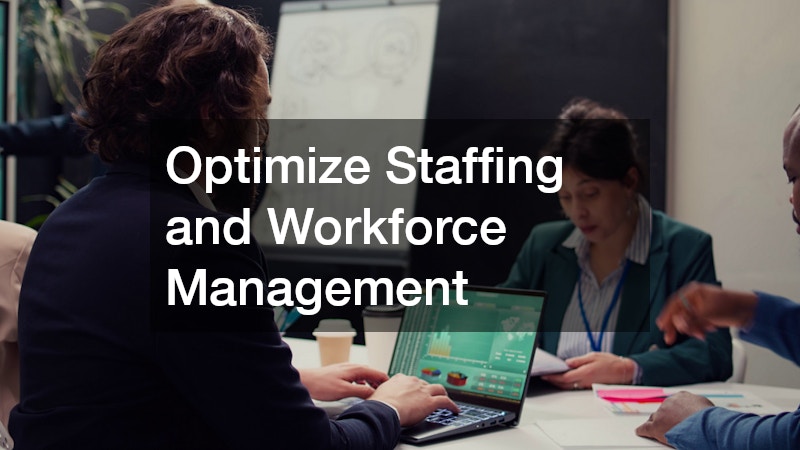
Managing personnel is a complex challenge for service-based companies, particularly when teams include full-time, part-time, and temporary employees. Technology can streamline scheduling, recruitment, and performance tracking, making workforce management far more efficient.
Actionable strategies:
-
Digital recruitment platforms: Post openings, review applications, and track candidate progress online.
-
Shift scheduling software: Automatically assign staff to shifts, track availability, and manage time-off requests.
-
Performance dashboards: Monitor employee productivity, training completion, and certifications.
-
Temporary staffing management: Streamline onboarding for short-term staff without disrupting operations.
Healthcare staffing services, for example, can manage large pools of nurses and technicians using digital platforms that track certifications and shift availability. Human resource management service software helps maintain a comprehensive view of all employees, making workforce planning easier and more accurate. These tools reduce administrative workload and allow managers to focus on strategic initiatives.
Use Data Analytics to Drive Business Decisions
Data is one of the most powerful resources for improving operational efficiency. Service-based companies can leverage analytics to identify bottlenecks, track performance, and make informed decisions.
Practical tips:
-
Track client behavior: Monitor service usage, satisfaction scores, and repeat engagement to optimize offerings.
-
Analyze operational efficiency: Identify processes that slow down delivery and implement improvements.
-
Monitor marketing ROI: Evaluate content marketing services campaigns to see which strategies drive results.
-
Assess project outcomes: Use project management software to review team performance and timelines.
By combining analytics from project management and content marketing services, companies gain a comprehensive view of both internal operations and client engagement. These insights allow businesses to allocate resources more effectively, anticipate client needs, and continuously refine strategies for maximum efficiency.
Secure Sensitive Information and Improve Legal Compliance

Many service-based industries handle sensitive client information, making secure document management essential. Technology provides tools to protect data, maintain regulatory compliance, and reduce the risk of breaches.
Recommended measures:
-
Secure case management software: Store confidential client records and monitor access permissions.
-
Digital signatures and encryption: Reduce reliance on paper while protecting sensitive information.
-
Audit trails: Track who accesses information and when for accountability.
-
Compliance reminders: Automated alerts ensure timely completion of regulatory requirements.
For criminal defense law firms, digital case management tools help securely track confidential case information. Healthcare staffing services can adopt HIPAA-compliant platforms to manage medical personnel data. Using technology to secure information ensures trust, reduces legal risk, and increases operational efficiency by minimizing administrative delays.
Integrate Mobile Solutions for Field Teams
Fieldwork presents unique challenges for service-based businesses. Teams often operate on-site, away from the office, which can make reporting, communication, and tracking more difficult. Mobile solutions can bridge this gap, ensuring that field teams are productive and aligned with central operations.
Actionable tips:
-
Mobile inspection and reporting apps: Allow roofing contractors or field personnel to submit real-time reports.
-
Inventory tracking: Safety equipment suppliers can monitor on-site supplies and manage orders directly from mobile devices.
-
GPS tracking and route optimization: Reduce travel time and improve on-site efficiency.
-
Instant notifications: Update field staff with critical alerts or changes in schedule immediately.
Mobile technology allows field teams to operate efficiently without constant back-and-forth communication with the office. Roofing contractors can log inspections digitally, while safety equipment suppliers can track inventory across multiple locations, saving time and reducing errors.
Enhance Professional Training and Skill Development
Continuous professional development is essential for service-based businesses to maintain high standards. Technology has revolutionized training, making it more accessible, measurable, and scalable.
Practical approaches:
-
Online learning platforms: Offer staff access to courses anytime, anywhere.
-
Virtual simulations and e-certifications: Provide realistic practice scenarios for specialized skills.
-
Track training completion: Use digital dashboards to monitor progress and compliance.
-
Personalized learning paths: Tailor training programs to individual staff roles and experience levels.
Surgical tech programs can leverage virtual simulations to train staff efficiently without impacting patient care. Dentists can implement e-learning for hygienists and assistants, ensuring all staff meet continuing education requirements. Digital training reduces downtime, keeps teams up-to-date, and supports long-term growth.
Foster Client Retention Through Automated Follow-Ups
Maintaining long-term client relationships is critical for sustained growth. Technology simplifies follow-ups, ensuring clients feel valued and connected without increasing manual workload.
Key strategies:
-
Automated email campaigns: Send reminders, promotions, or personalized updates to clients.
-
Loyalty programs: Use software to track rewards, referrals, or repeat visits.
-
CRM integration: Maintain detailed client records for tailored communication.
-
Social engagement automation: Use social media management services to schedule posts and monitor interactions.
Combining social media management services with content marketing services allows businesses to stay top-of-mind with clients consistently. Whether through automated newsletters, social media posts, or personalized messages, technology keeps clients engaged and improves retention rates while reducing manual effort.
Technology has become an indispensable asset for service-based companies seeking efficiency. From improving team communication and automating scheduling to securing sensitive data and fostering client retention, digital solutions provide practical ways to reduce overhead, increase productivity, and enhance customer satisfaction.
By strategically integrating project management tools, HR solutions, mobile platforms, analytics, and marketing automation, businesses can streamline operations across multiple departments and service lines. Investing in the right tech stack not only saves time and resources but also positions companies for long-term success in an increasingly competitive marketplace.
Service-based companies that embrace technology thoughtfully will find themselves better equipped to deliver quality services, retain clients, and empower employees to work smarter, not harder.