
Disclaimer: Info Tech. This site provides computers and technology news for informational purposes only.
Turning a house or commercial building into a smart property can feel overwhelming once you start researching all the options. Between lighting automation, security, energy management, and structural upgrades, it is easy to get lost in technical jargon before you even pick a starting point. The good news is that most successful smart property conversions follow a predictable sequence, starting with infrastructure and ending with the polished automation layer most people picture when they hear the phrase smart home. This guide breaks down the practical steps in the order they matter, so you can budget your time and money wisely.
Assess Your Building Wiring and Network Backbone
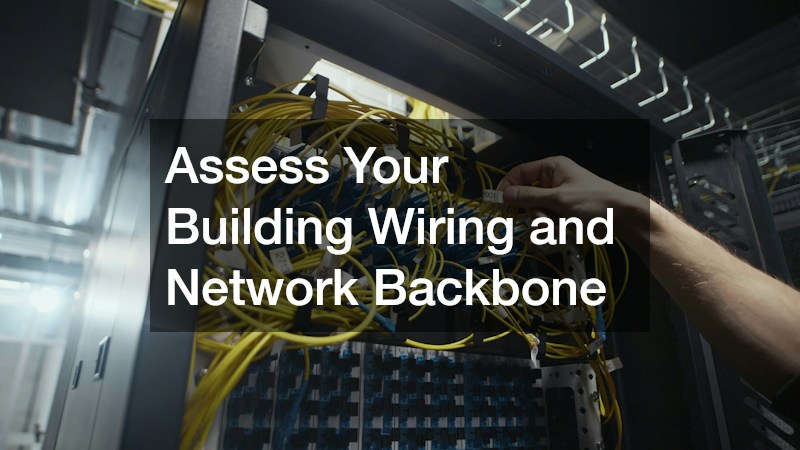
Before adding any smart device, take stock of the physical infrastructure already running through your walls. Older buildings often have outdated electrical panels or insufficient outlets, which can limit which smart upgrades are realistic without a renovation. A strong, reliable network is the true foundation of any connected property, since every camera, sensor, and thermostat depends on consistent bandwidth. Skipping this assessment is one of the most common reasons homeowners end up frustrated with devices that constantly disconnect or lag.
Hiring an electrician or low-voltage technician to walk through your space before you buy equipment can save significant money down the line. They can identify whether you need additional circuits, better routers, or structured wiring closets to support your goals.
- Check your electrical panel capacity if you plan to add multiple high-draw smart appliances
- Test Wi-Fi signal strength in every room, including basements and garages
- Consider mesh network systems for larger or multi-story properties
- Ask about running ethernet to fixed devices like hubs or media panels for stability
Plan Structural Changes Before You Automate
Some smart upgrades require physical modifications to your building, and it is far easier to handle these early rather than retrofitting around finished automation. Adding new conduit runs, mounting exterior sensors, or installing solar equipment often means drilling through masonry, siding, or foundation walls. For tricky penetrations through brick, concrete, or thick wood beams, many contractors rely on self feeding drills because they pull themselves through the material and reduce the risk of cracked surfaces or bit binding. Getting this part right the first time prevents costly repairs and keeps your building’s exterior looking clean once the automation gear goes in.
It also helps to map out where future expansions might go, even if you are not installing everything at once. Planning conduit paths and junction boxes now, while walls are already open, saves you from repeating disruptive work in a year or two.
- Identify entry points for cabling before finishing walls or ceilings
- Coordinate structural work with any planned roofing or siding projects
- Label and document conduit runs for future technicians
- Leave access panels in strategic locations for easy troubleshooting
Choose a Smart Lighting and Shading Strategy
Lighting is often the most visible and satisfying part of a smart property conversion, but it is also where poor planning shows up quickly. Instead of buying individual smart bulbs room by room, consider a whole-building lighting control system that manages fixtures, dimmers, and window shades from one platform. Working with an experienced lutron dealer can help you design a lighting scheme that adjusts automatically based on time of day, occupancy, or even weather conditions. This approach tends to be more reliable long-term than a patchwork of consumer smart bulbs from different brands.
A cohesive lighting system also pays off in energy savings, since automated dimming and scheduling reduce unnecessary electricity use across the building. Many owners find that professional-grade systems integrate more smoothly with security and climate controls than budget alternatives.
- Group lighting by zones such as entryways, common areas, and private rooms
- Use motion and daylight sensors to reduce manual adjustments
- Integrate motorized shades for both privacy and temperature control
- Set lighting scenes for entertaining, security, or overnight modes
Reduce Energy Costs With Renewable Power Options
A truly connected property should also be an efficient one, and renewable energy is a natural pairing with smart automation. Adding solar panels to your roof lets your smart system actively manage when to draw from the grid versus stored or generated power, which can lower utility bills significantly over time. Modern energy monitoring platforms can show you real-time production and consumption data, helping you spot inefficiencies you might otherwise miss.
Before committing to a system size, get a professional assessment of your roof’s orientation, shading, and structural capacity. Pairing renewable generation with battery storage gives your smart property a buffer during outages, which is especially valuable if your automation system also controls security and climate.
- Request a shading analysis to estimate realistic energy production
- Compare battery storage options for backup power during outages
- Ask how your utility handles net metering or credits for excess power
- Confirm your roof’s remaining lifespan before installation
Integrate Security and Climate Systems Into One Platform
Once your infrastructure, lighting, and energy systems are in place, the final step is tying everything together through a central control platform. A unified app or hub lets you manage cameras, door locks, thermostats, and lighting scenes without juggling five different apps. This consolidation is what actually makes a property feel smart, rather than just being a collection of disconnected gadgets.
Look for platforms with strong reputations for reliability and long-term software support, since you do not want your investment tied to a company that disappears in two years. Compatibility across brands matters more than flashy features when you are building a system meant to last a decade or more.
- Prioritize platforms that support open standards like Matter or Zigbee
- Set up automated alerts for unusual activity or temperature changes
- Test remote access thoroughly before relying on it while traveling
- Schedule regular firmware updates to keep security tight
Converting a building into a genuinely smart property is a layered process, not a single purchase, and rushing the order of operations usually costs more time and money in the long run. Start with your electrical and network foundation, handle structural work early, then build outward into lighting, energy, and full system integration. Taking a methodical approach means every upgrade you add actually works better because of the ones that came before it. With a clear plan in hand, you can move forward confidently, one well-sequenced project at a time.